- Home
- parliament
- Leaders
SPEAKERS
Those who have held the office of Speakers of Sri Lanka so far.
⬇️
⬇️
1. Forester Augustus Obeyesekere(1931 – 1935)
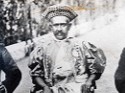
Forrester Augustus Obeysekara was a prominent Sri Lankan politician who served as the Speaker of the State Council from 11 December 1934 to 7 December 1935. He played a major role in the legislative and administrative affairs of colonial Sri Lanka during a crucial transitional period. He was born on 7 August 1880 into the influential Obeysekara family and died on 26 December 1961. In 1931, with the establishment of the State Council of Ceylon, he became Deputy Speaker and later, from December 1934 to December 1935, he became Speaker. He succeeded S.A. Francis Molamure, who was succeeded by Sir Vaithilingam Duraiswamy.
[Explore more]2. Sir Waithilingam Duraiswamy(1936 – 1947)
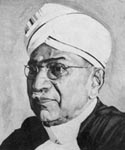
Sir Vaithilingam Duraiswamy is one of Sri Lanka's most respected political leaders. Born in 1880, he studied law and became a successful lawyer before entering politics. Known for his integrity and fairness, he was elected Speaker of the Council of State of Ceylon in 1936, succeeding Forrester Augustus Obeysekara. During his tenure, which lasted until 1947, Duraiswamy guided the Council of State through significant constitutional changes as the island approached independence. He died in 1947.
3. Pattiyapathirennehelage Albert Fredrick Peries (1947 – 1952)
.jpg)
Albert Fredrick Peries became the first Speaker of the House of Representatives after Ceylon gained independence in 1948. Serving from 1947 to 1952, he oversaw the transition from colonial governance to a fully independent parliamentary system. Peries managed debates on nation-building policies, early economic planning, and legislation related to education and infrastructure. Known for his calm demeanor and impartiality, he earned the respect of both government and opposition members. His role was crucial in ensuring that parliamentary democracy took firm root in the newly independent nation.
4. Sir Alexander Francis Molamure (1952 – 1956)
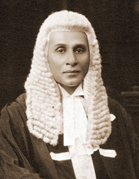
Sir Alexander Francis Molamure, a prominent lawyer and politician, served as Speaker from 1952 to 1956. A leading figure in Ceylonese politics, he had previously been involved in the independence movement and had held important positions in the State Council. Molamure was recognized for his mastery of parliamentary procedure, his efforts to mentor new legislators, and his leadership in maintaining order during spirited debates. He also contributed to promoting parliamentary decorum and traditions that shaped the role of the Speaker in the early years of independent Sri Lanka.
5. Edward Lionel Senanayake(1956 – 1960)
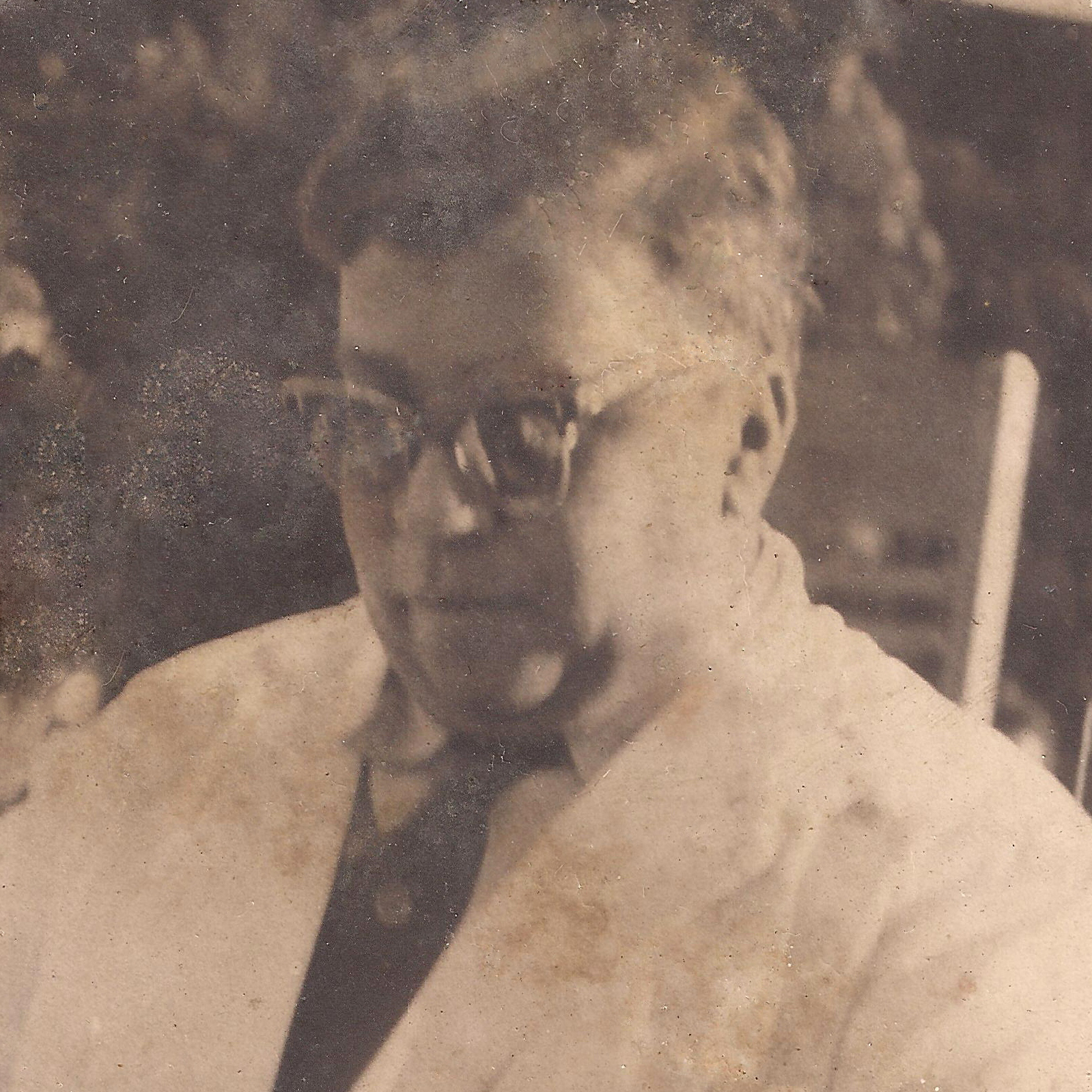
Edward Lionel Senanayake served as Speaker of the House of Representatives from 1956 to 1960, a politically dynamic period marked by the rise of Sinhala nationalism and changing party politics. Known for his fair, disciplined, and patient approach, he ensured that debates were conducted respectfully and parliamentary rules were strictly followed. He presided over key legislative discussions on social policy, education reforms, and economic development. Senanayake’s leadership helped strengthen parliamentary traditions and reinforced the Speaker’s role as an impartial arbiter of the House.
6. Richard Stanley Pelpola(1960 – 1964)
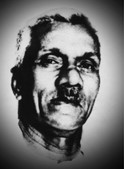
Richard Stanley Pelpola served as Speaker of the Parliament of Ceylon from 1960 to 1964, a period marked by political consolidation and nation-building following independence. Known for his strict adherence to parliamentary procedures and fairness, Pelpola ensured that debates were conducted in an orderly and respectful manner. During his tenure, he oversaw discussions on constitutional reforms, economic development, and public policy, helping to strengthen the legislative process. Pelpola was respected for his diplomatic approach, impartiality, and ability to manage complex political discussions, leaving a lasting impact on the procedural integrity of the Parliament.
7. Hugh Fernando (1964 – 1964)
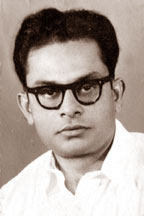
Hugh Fernando served briefly as Speaker of the Parliament of Ceylon in 1964, during a politically transitional period. Despite his short tenure, he was recognized for his firm commitment to parliamentary rules, impartiality, and maintaining decorum. Fernando oversaw debates on key legislative matters, ensuring that discussions on national policy, governance, and public welfare were conducted smoothly and fairly. His leadership helped strengthen parliamentary practices, even during a period of political uncertainty, and demonstrated his dedication to upholding democratic principles.
8. Sir Stephen Charles Silva Corea (1965 – 1970)

Sir Stephen Charles Silva Corea, a prominent post-independence political figure, served as Speaker during a period of national consolidation. Celebrated for his diplomacy, eloquence, and procedural expertise, he oversaw parliamentary debates on constitutional amendments, legislative reforms, and national development projects. Corea’s leadership strengthened the credibility of the Parliament and enhanced trust in democratic institutions.
9. Stanley Tillekeratne(1970 – 1977)
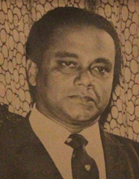
Stanley Tillekeratne, a respected parliamentarian and advocate for social equity, led Parliament as Speaker during a time of political activism and reform. He emphasized transparency, adherence to rules, and fair debate procedures, particularly during discussions on social welfare programs, economic policy reforms, and education initiatives. Tillekeratne was known for his calm demeanor, principled decision-making, and ability to manage heated debates effectively.
10.Mohamed Abdul Aziz Alwis (1977 – 1978)
Mohamed Abdul Aziz Alwis, though serving briefly as Speaker, made significant contributions to upholding parliamentary traditions. He ensured that legislative debates on governance reforms, national policy, and public welfare were conducted with fairness and impartiality. Alwis was recognized for his commitment to democratic principles and for maintaining order during politically sensitive discussions.
11. Edward Lionel Senanayake(1978 – 1988)
Edward Lionel Senanayake served as Speaker of Parliament for a decade during a transformative period in Sri Lanka’s political landscape. Renowned for his integrity and calm leadership, he presided over debates on constitutional amendments, economic policies, and infrastructure development projects. Senanayake focused on strengthening parliamentary procedures, promoting cross-party dialogue, and maintaining decorum. He played a crucial role in ensuring that the Parliament could function effectively despite emerging ethnic tensions and political unrest.
12. Mohamed Haniffa Mohamed (1989 – 1994)
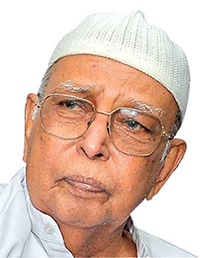
Mohamed Haniffa Mohamed, a seasoned politician and diplomat, served as Speaker of the Parliament of Sri Lanka from 1989 to 1994. His tenure took place during the early years of the executive presidential system and a period marked by significant political and ethnic tensions. Renowned for his calm demeanor and fairness, he ensured that parliamentary debates were well-structured and inclusive. Mohamed played a key role in overseeing discussions on constitutional reforms, public policy, and minority rights, thereby strengthening the procedural and democratic foundations of the House.
[Explore more]13. Anura Priyadharshie Soloman Dias Bandaranaike(1994 – 2001)
.jpg)
Anura Bandaranaike, a member of one of Sri Lanka’s most prominent political families, served as Speaker of Parliament from 1994 to 2001. His tenure coincided with a challenging period marked by civil conflict and efforts at peacebuilding. Known for his impartiality and calm leadership, he skillfully managed debates on economic policies, education reforms, and national reconciliation initiatives. Bandaranaike emphasized cross-party dialogue and procedural fairness, leaving a legacy of stability and decorum in the House.
14. Joseph Michael Perera (2001 – 2004)
.jpg)
Joseph Michael Perera, a senior parliamentarian, served as Speaker during a politically sensitive period. He was known for his meticulous understanding of parliamentary rules and commitment to ensuring orderly legislative proceedings. His tenure oversaw discussions on national security, economic reforms, and social welfare policies, including initiatives to strengthen democratic institutions. Perera also played a role in fostering cross-party dialogue, enhancing cooperation between coalition members and opposition representatives.
[Explore more]15. Wijesinghe Jayaweera Mudiyanselage Lokubandara(2004 – 2010)
.jpg)
W.J.M. Lokubandara, a veteran legislator and former Cabinet Minister, presided as Speaker during a transformative post-war period. Celebrated for his eloquence, impartiality, and commitment to parliamentary decorum, he guided debates on constitutional amendments, post-war reconciliation, and infrastructure development projects. Lokubandara emphasized transparency, accountability, and procedural reforms, and promoted public engagement with legislative processes. His leadership strengthened the institutional role of Parliament in governance.
[Explore more]16. Chamal Rajapaksa(2010 – 2015)
.jpg)
Chamal Rajapaksa, a member of a prominent political family, led Parliament as Speaker during the post-war reconstruction era. His tenure focused on economic development policies, constitutional reforms, and legislative modernization. Rajapaksa maintained a measured and disciplined approach in managing parliamentary debates, ensuring that sensitive issues were handled with care. He promoted consensus-building, particularly in discussions related to national reconciliation and public service reforms.
[Explore more]18. Karu Jayasuriya(2015 – 2020)
.jpg)
Karu Jayasuriya, a seasoned politician and former Mayor of Colombo, served as Speaker with a focus on modernization, transparency, and institutional strengthening. He introduced digital tools and reforms to streamline parliamentary proceedings. Jayasuriya presided over discussions on constitutional amendments, economic policy, social welfare, and national reconciliation initiatives. Renowned for his fairness and impartiality, he also encouraged public trust in Parliament and enhanced legislative accountability.
[Explore more]19. Mahinda Yapa Abeywardena (2020-2025)
.jpg)
Mahinda Yapa Abeywardena is the current Speaker, navigating Parliament through challenges like the COVID-19 pandemic and national economic crises. He has been praised for strict adherence to parliamentary rules, impartiality, and effective management of legislative sessions. Abeywardena has guided debates on emergency regulations, economic recovery measures, and policy reforms, ensuring continuity, democratic process, and stability in governance.
[Explore more]20. Jagath Wickramaratne (2020-2025)
.jpg)
Dr. Jagath Wickramaratne has been serving as Speaker of the Parliament of Sri Lanka since 2020. Known for his calm demeanor and fairness, he has overseen parliamentary debates with a focus on discipline, transparency, and modernization. During his tenure, he has promoted initiatives such as the Speaker’s Knowledge Centre and efforts to strengthen parliamentary procedures. Wickramaratne’s leadership has maintained order and decorum in the House while ensuring that discussions on national policy, governance, and public welfare are conducted smoothly and fairly.
[Explore more]